
Heavy metal contamination has become a serious and crucial environmental and human health issue because of its persistence, bioaccumulation and toxicity at low doses. Important anthropogenic inputs, including mining, industrial processes, and power generation, have greatly contributed to the growth of metal pollution in the ecosystems. The traditional physical and chemical remediation techniques are good but can cause secondary pollution and are costly. Conversely, bioremediation presents an alternative that is sustainable, environmentally friendly, and affordable since it involves the use of
biological systems including microorganisms, plants, fungi, and algae to convert the toxic heavy metals into less toxic forms. Nevertheless, this natural remediation is usually slow and is inadequate to keep up with the rising levels of contamination. Synthetic biology has also created new opportunities in the field of bioremediation with the design and engineering of organisms with increased metal uptake, detoxification and sequestration properties. Developed technologies such as genetic engineering,
nanotechnology, systems biology, and omics technologies allow the design of custom biological systems to be used in targeted remediation. This chapter identifies the concepts of bioremediation, examines the different bio and engineered approaches, and underscores how synthetic biology has transformed the challenges of heavy metal pollution, its present status, and its future.

Biological Sciences
Chapter 15: Application of synthetic biology for bioremediation of heavy metals
₹ 399.00
Authors Kalpana Suman, Divyani Kumari, Sameer Gunjan Lakra, Sagar S Arya, Binod Kumar Mahato*
Pages 325-347
Related products
-
 Biological Sciences
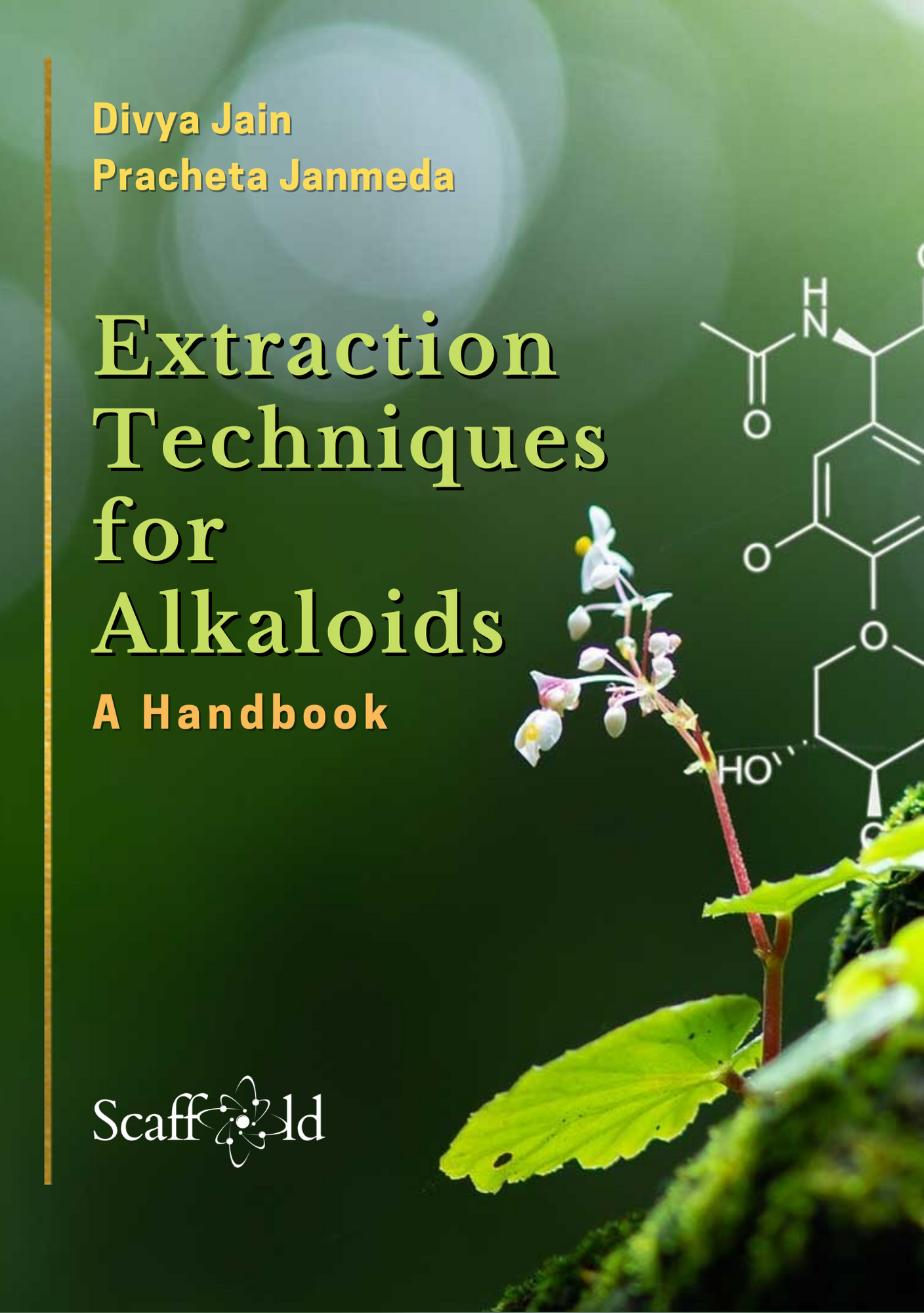
Extraction techniques for alkaloids – a handbook
Price range: ₹ 707.00 through ₹ 1,179.00 Select options This product has multiple variants. The options may be chosen on the product page -
 Biological Sciences
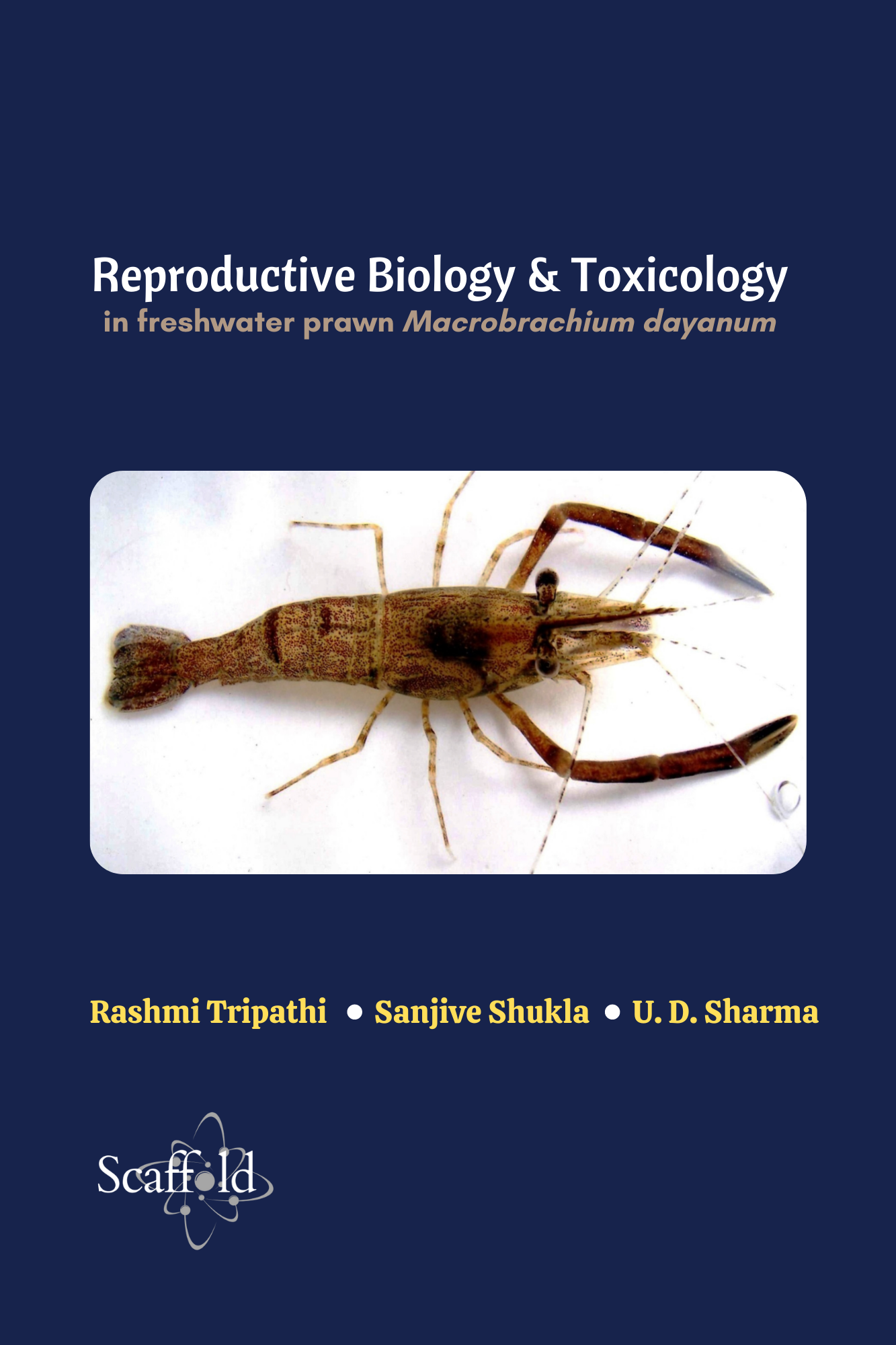
Reproductive biology & toxicology of freshwater prawn, Macrobrachium dayanum
Price range: ₹ 1,415.00 through ₹ 1,887.00 Select options This product has multiple variants. The options may be chosen on the product page -
 Biological Sciences
Breast Cancer: Understanding Associated Factors, Assessing Risk & Exploring Therapeutics
₹ 1,999.00 Add to cart
Reviews
There are no reviews yet.